
Baha Jebali@bahaeddine
1
Events attended
1
Submissions made
1 year of experience
About me
I am a motivated Software Engineering student currently pursuing an Engineering Cycle at ESPRIT, with a strong foundation in software development, cybersecurity, and intelligent systems. I hold a Bachelor’s degree in Software Engineering from the Institute of Computer Science of El Kef, where I developed solid technical and analytical skills through academic and practical projects. I have hands-on experience gained through internships at Tunisie Telecom, where I worked on intrusion management and network security solutions, as well as web application development using modern technologies. My graduation project focused on designing and implementing a real-time intrusion management system, combining web, mobile, and IoT technologies to enhance internal network security. I am particularly interested in cybersecurity, full-stack development, IoT, and intelligent systems, and I enjoy building scalable and efficient solutions that solve real-world problems. I have worked with a wide range of technologies including Java, Python, Laravel, Symfony, Flutter, REST APIs, and IoT platforms, and I am comfortable working in collaborative environments using tools such as Git and Agile methodologies. Driven, adaptable, and eager to learn, I am continuously seeking opportunities to expand my technical expertise and contribute to innovative and impactful projects.
🤝 Top Collaborators


🤓 Latest Submissions
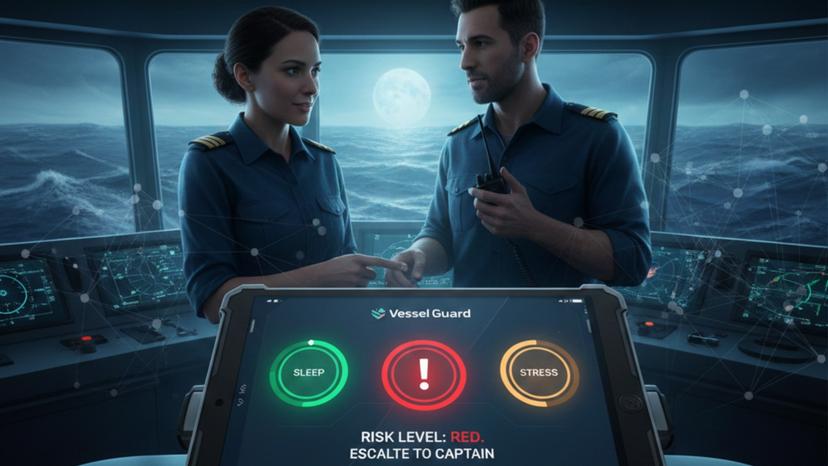
Vessel Guard-AI Based Human Factor Risk Detection
Vessel Guard is an AI-assisted maritime safety system designed to prevent human-error-related accidents caused by fatigue, stress, and reduced operational readiness onboard vessels. Life at sea exposes crew members to shift work, sleep fragmentation, vibration, isolation, and high-risk tasks in deck, engine, and bridge operations. While many shipping companies provide access to teletherapy with reactive tools and disconnected from daily operational safety decisions. They do not integrate fatigue thresholds, maritime regulations, or structured escalation to command. Vessel Guard addresses this by combining short daily crew check-ins with a deterministic rules engine based on MLC fatigue standards and wellbeing scales. The system translates human factors into operational risk levels ) and escalates only high-risk cases to the Captain or designated officer. The AI layer does not diagnose or classify risk. It extracts structured data and generates safety-focused summaries, while final decisions remain human-controlled. This human-in-the-loop design ensures regulatory alignment, privacy protection, and institutional credibility. Vessel Guard is designed for maritime sector seeking proactive duty-of-care compliance, improved safety culture, and measurable reduction of fatigue-related incidents—without adding administrative burden to crew.
15 Feb 2026
