Hero Banner

Top Builders

Explore the top contributors showcasing the highest number of app submissions within our community.

Toolhouse

Toolhouse is an advanced platform designed to seamlessly integrate tools and functionalities into Large Language Models (LLMs). It offers a robust cloud infrastructure and an intuitive SDK that empowers developers to equip LLMs with capabilities such as semantic search, Retrieval Augmented Generation (RAG), and secure data access with minimal code. Toolhouse bridges the gap between AI models and real-world applications by providing a curated tool store and powerful deployment infrastructure.

General Information

AttributeDetails
CompanyToolhouse AI
Founded2024
Repositoryhttps://github.com/toolhouseai/toolhouse-examples
Technology TypeCloud-based LLM Integration Platform and SDK

Key Features

  1. Universal SDK:

    • Compatible with all major LLMs and frameworks.
    • Simplified implementation with only three lines of code.
    • Pre-configured for rapid development and deployment.
  2. Tool Store:

    • A marketplace of pre-built tools to enhance LLM capabilities.
    • Includes utilities for RAG, sandboxed code execution, and more.
  3. Optimized Cloud Infrastructure:

    • Low-latency performance.
    • Secure and efficient data retrieval and storage.
    • Edge-deployed tools for enhanced speed.
  4. Built-in Analytics:

    • Debugging and observability tools for developers.
    • Insights into tool usage and performance.
  5. Scalability and Security:

    • Supports robust and secure data interactions with LLMs.
    • Cloud infrastructure optimized for high-demand applications.

Use Cases

  • Enterprise AI Solutions: Deploy semantic search and advanced RAG for customer support platforms.

  • Developer Platforms: Accelerate application development by integrating pre-built tools from the Tool Store.

  • Education and Research: Use sandboxed code execution for safe experimentation with AI models.

  • Data-Centric Applications: Enable secure access to sensitive datasets with Toolhouse's robust data retrieval mechanisms.

  • Custom AI Applications: Build domain-specific tools tailored to niche industry requirements.

Get Started Building with Sambanova

Toolhouse makes integrating tools with Large Language Models simpler and faster than ever. With its Universal SDK, curated Tool Store, and robust cloud infrastructure, developers can streamline the process of building and deploying feature-rich AI solutions. Whether you are a startup or an enterprise, Toolhouse's low-code platform ensures scalability and security without compromising on ease of use.

To begin building with Toolhouse, visit Toolhouse.ai. Access detailed documentation and examples on GitHub to explore its full potential. Start today and unlock the next level of AI innovation with Toolhouse.

Toolhouse AI technology page Hackathon projects

Discover innovative solutions crafted with Toolhouse AI technology page, developed by our community members during our engaging hackathons.

OncoFlow AI

OncoFlow AI

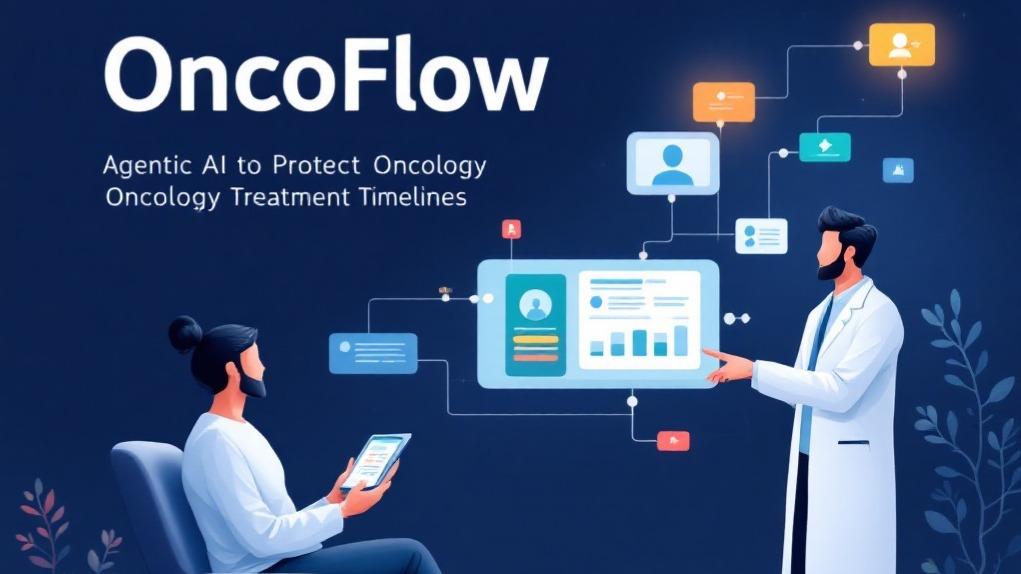
OncoFlow is an AI-powered oncology scheduling product that helps hospitals protect treatment timelines and unlock more clinical capacity, not just fill calendar slots. Built on IBM watsonx Orchestrate, it acts as an agentic copilot for care teams, coordinating doctors, patients, and systems so high-risk treatments stay on track even when availability changes at the last minute. The product is born from a real operational problem we see in cancer hospitals today, oncologists with rigid and shifting availability, schedules managed in spreadsheets and calls, and frequent disruptions like sick calls or equipment outages. When this happens, staff scramble, capacity is wasted, and some high-risk chemotherapy or radiation sessions slip beyond safe windows. That translates directly into poorer outcomes, lower patient satisfaction, and higher stress and overtime for staff. OncoFlow addresses this as a repeatable, deployable solution. A Scheduler Agent optimizes weekly oncology schedules based on doctor constraints, patient demand, and a treatment risk score, then automatically updates calendars. A Disruption Agent responds when a doctor or system is suddenly unavailable, finds safe alternatives, drafts empathetic messages, and escalates edge cases to humans instead of making unsafe decisions. An Orchestrator Agent routes requests between them and uses a PubMed-backed tool to surface oncology research when clinicians ask why a delay is risky, supporting evidence-aware decisions. As a product, OncoFlow-AI is designed to plug into hospital workflows as an AI layer on top of existing systems, reducing manual rescheduling effort, lowering the incidence of dangerous delays for high-risk patients, and improving patient communication. For hospital leadership, this translates into measurable value, better utilization of limited oncology capacity, fewer missed or unsafe treatment windows, and more transparent, defensible scheduling decisions that can scale across sites.

NetConnect

NetConnect

Public Sector Network Connectivity Analyzer The Public Sector Network Connectivity Analyzer is a comprehensive solution designed to address the critical need for reliable network monitoring across public institutions. Our application serves as an essential tool for IT administrators managing connectivity infrastructure for schools, healthcare facilities, government offices, libraries, and other public service organizations. Core Capabilities Real-Time Network Visualization Interactive diagrams and topology maps provide clear visibility into how public institutions are connected, displaying network elements, connection points, and infrastructure components with intuitive visualization tools. Performance Monitoring System Our platform continuously tracks vital network metrics including uptime percentages, latency measurements, bandwidth utilization, and connection status across the entire public sector network, enabling proactive management. Advanced Simulation Engine IT professionals can run comprehensive simulations to test network resilience under various scenarios such as increased user loads, infrastructure failures, or cyber incidents, helping identify vulnerabilities before they impact critical services. Institution Management Portal Administrators can efficiently manage information about connected institutions, monitor their connection status in real-time, and access detailed performance metrics through a unified dashboard interface. Geographic Mapping Integration Our system incorporates geographic visualization capabilities to display the physical distribution of institutions and network infrastructure across regions, facilitating better resource allocation and planning. Technical Implementation This solution addresses the unique challenges faced by public sector organizations that require reliable connectivity for delivering essential services to communities, while providing the tools needed to ensure network resilience, performance, and security.

Connective

Connective

Connective leverages AI-powered voice assistance to support individuals facing occupational health issues. The system reaches out to users with work-related health conditions such as musculoskeletal disorders, respiratory issues, and hearing loss, offering personalized recommendations based on their reported condition. Key Features: AI-Driven Voice Assistant: The AI assistant makes outbound calls, asking users about their health concerns and offering tailored responses based on specific conditions (e.g., shoulder pain, spinal disorders, carpal tunnel syndrome). Condition-Specific Recommendations: The AI directs users to local clinics and rehabilitation centers. For instance, users with shoulder injuries (M75) are connected to specialized shoulder rehabilitation clinics. Additional Support Services: Beyond medical care, the assistant suggests career counseling, job retraining, and family assistance, helping users transition back to work or manage their health. Real-Time Data Integration: The AI integrates real-time data to provide up-to-date clinic locations, contact details, and services based on the user's health condition and region. Personalized Follow-Up: The system allows for follow-up calls to check on users' progress, ensuring ongoing support throughout their recovery journey. User-Friendly & Efficient: Designed to be empathetic and easy to use, the AI helps individuals navigate complex medical information and access resources in a simple, understandable way. Target Audience: The project is aimed at workers in Italy suffering from occupational diseases or injuries, connecting them with rehabilitation centers, healthcare providers, and vocational services to aid in recovery. Our vision is to provide accessible, personalized, and responsive healthcare support using AI, improving users' health outcomes, quality of life, and employment opportunities.