.png&w=256&q=75)
🤓 Latest Submissions
Triagix
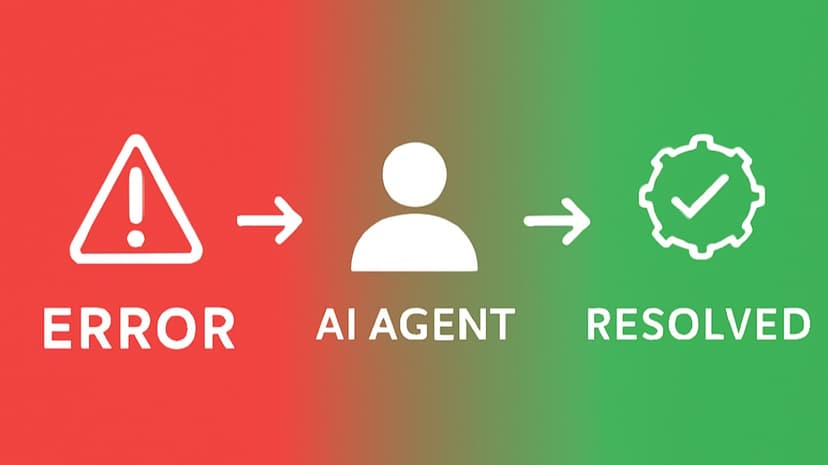
Nobody becomes a software engineer to stare at log files at 3am. Yet that is where most incident responses end. Production incidents are among the most expensive and stressful problems in enterprise software, as engineers manually search logs and correlate dashboards under pressure. Triagix changes that. Triagix is an autonomous multi-agent AI system for enterprise incident response, built for SREs and DevOps engineers who want to move beyond reactive debugging. When a production system fails, Triagix deploys a coordinated set of specialized AI agents that handle the workload currently done manually by engineers. The Triage Agent ingests live logs, detects anomalies, and classifies incidents by type and severity within seconds. The Root Cause Agent uses Gemini 1.5 Pro to analyze full log context and produce hypotheses with supporting evidence. The Remediation Agent converts each hypothesis into ranked fix steps. The Comms Agent generates Slack alerts and stakeholder updates. After resolution, the Postmortem Agent produces a complete incident report with timeline, contributing factors, and action items. The result is reduced MTTR from hours to seconds and engineers freed to focus on building. What distinguishes Triagix is transparency. A live three-panel dashboard shows the incoming log stream, agent reasoning traces, and a structured incident summary with ranked hypotheses and fixes, making every decision visible and auditable. Gemini 1.5 Flash handles fast triage and communication tasks, while Gemini 1.5 Pro handles deeper root-cause analysis, balancing speed and reasoning depth. Triagix is tested across three major production failure types: API gateway outages, database failures, and memory leaks. Each scenario streams realistic logs through the full pipeline, validating performance under realistic conditions. The best incident is the one that resolves itself. Triagix makes that possible and points toward a future of autonomous infrastructure operations.
19 May 2026
