

Nareen Asad@nareenasad0763355
1
Events attended
1
Submissions made
Pakistan
1 year of experience
About me
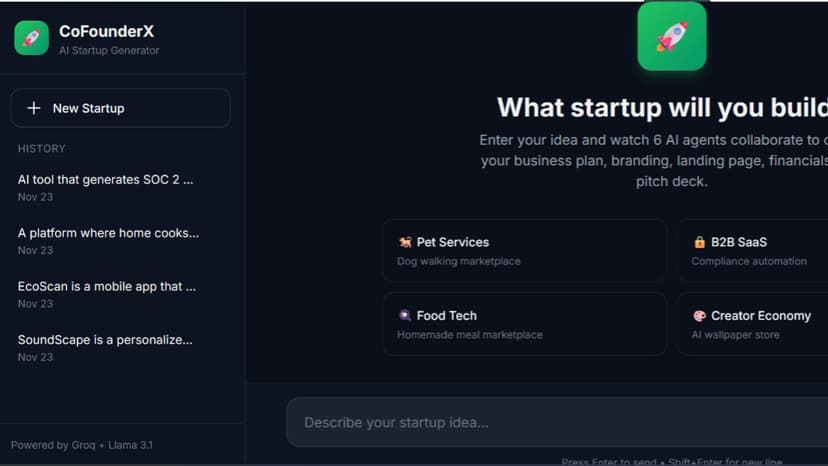
I am a Software Engineer and Generative AI Developer with a BS in Software Engineering from Lahore College for Women University (2026). I specialize in full-stack web development and AI engineering, with experience across Next.js, Python, LangChain, RAG pipelines, and multi-agent systems. My Final Year Project, CyberGuard, is an enterprise-grade AI cybersecurity platform featuring real-time threat detection and automated incident response. In 2025, my team secured 2nd place at the HEC Generative AI National Hackathon for CoFounderX — a multi-agent AI system that transforms any idea into a launch-ready startup toolkit in minutes. I am passionate about building intelligent systems that solve real-world problems.
🤝 Top Collaborators

🤓 Latest Submissions
AutOps - Autonomous Operations
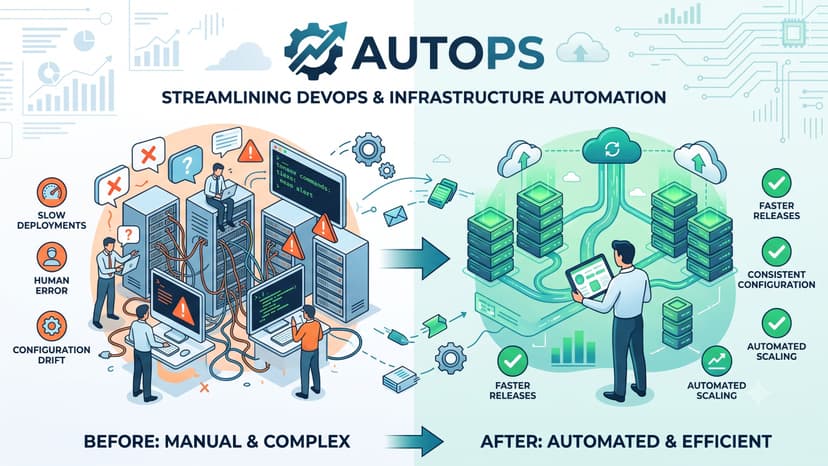
AutOps is an autonomous, AI-driven virtual system administrator designed for real-time monitoring, intelligent diagnosis, and automated remediation of server environments. Instead of relying on traditional ping monitors, AutOps acts as a 24/7 intelligent agent that watches over your containerized infrastructure. When a service goes down, it instantly fetches the relevant error logs, uses an embedded Large Language Model (LLM) to diagnose the exact root cause of the crash, and formulates a precise fix. Key Features: Discord Command Center: It transforms Discord into a secure, mobile-friendly command-and-control terminal using a custom Python bridge, allowing administrators to manage servers directly from their phones. Human-in-the-Loop (HITL) Safety: To prevent the AI from making destructive changes autonomously, AutOps enforces a strict safety mechanism. The AI generates a remediation proposal and sends an alert to the admin via Discord. The fix is only executed if the admin explicitly replies with an !approve command. Microservices Architecture: The system operates securely within Docker and is powered by n8n, a visual orchestration engine that routes complex background health checks, webhook events, and SSH command executions. Ultimately, AutOps reduces the tedious, multi-step troubleshooting process (connecting to a VPN, authenticating SSH, manually hunting for logs) into a simple mobile notification and a 5-second approval response—drastically lowering both the Mean Time to Detect (MTTD) and Mean Time to Resolve (MTTR) for server incidents.
13 Jul 2026
