.png&w=256&q=75)
🤝 Top Collaborators


.png&w=640&q=75)
🤓 Latest Submissions
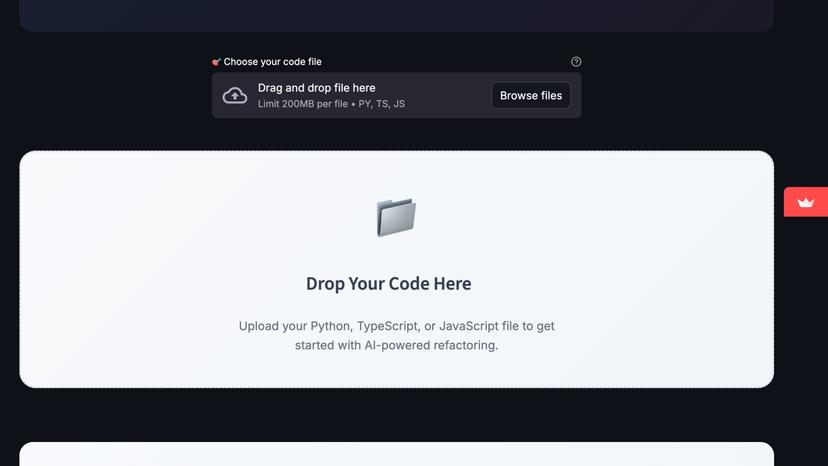
AI-Powered Code Refactoring
SmartRefactor is an AI-driven coding assistant built with modern technologies like Streamlit, pygwalker, pandas, and advanced transformer models from Mistral and Cohere, enabling a seamless, intelligent refactoring experience. Traditional code refactoring is often slow, error-prone, and resource-intensive—developers spend countless hours improving readability, reducing technical debt, and ensuring performance without adding new features. SmartRefactor transforms this process by automating refactoring while ensuring full functionality. Through intelligent code analysis powered by state-of-the-art AI models, SmartRefactor understands structure, detects inefficiencies, and proposes optimized solutions in real time. With multi-language support (Python, TypeScript, JavaScript, and more to come), it not only refactors but also beautifies and optimizes code for performance. The platform caters to developers at all levels: freelancers save valuable time, startups maintain scalable and maintainable codebases, and enterprises dramatically reduce the costs of technical debt. Beyond automation, SmartRefactor doubles as an educational tool, explaining changes to help developers adopt best practices. Our SaaS business model includes a freemium tier for individuals, a pro subscription with advanced features, and enterprise solutions with CI/CD pipeline integration. Looking ahead, SmartRefactor aims to integrate directly with IDEs and version control systems, expand language coverage, and offer team dashboards for tracking organizational code health. In short, SmartRefactor is like “Grammarly for Code”—built with cutting-edge tools like Streamlit-antd-components, streamlit-navigation-bar, streamlit-ace, and AI-powered backends—to help developers write cleaner, faster, and more reliable software while saving time, reducing costs, and accelerating innovation.
21 Sep 2025
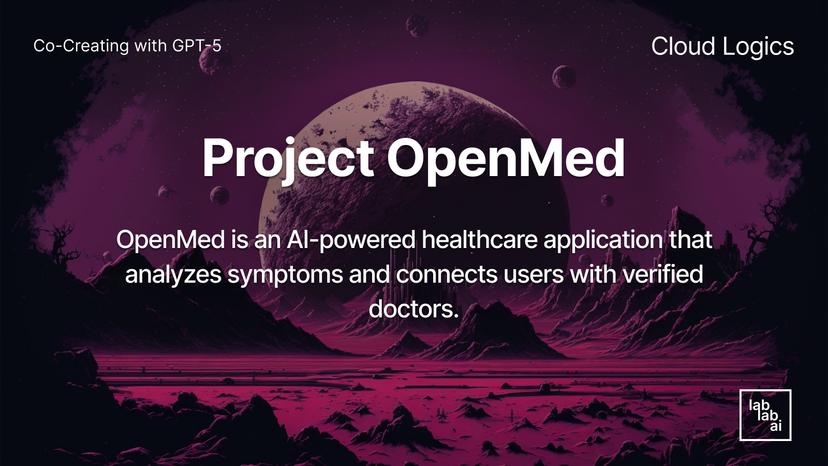
Project OpenMed
OpenMed is a web-based healthcare application designed to address the problem of limited access to healthcare in underserved communities. The app uses generative AI to analyze a user's symptoms and provide insights into potential health conditions. This feature allows users to get initial guidance without needing to book an immediate consultation, which can help them avoid unnecessary costs. The platform also recommends verified doctors based on the symptoms provided, ensuring users are connected with the right medical professionals when needed. OpenMed has three types of users: patients, doctors, and an admin. Key features include AI-powered symptom analysis, a smart booking system, and secure Google authentication. The goal is to provide a seamless and cost-effective healthcare experience. Future plans for the app include multi-language support, image-based symptom analysis, and voice and video call integration
24 Aug 2025

