.png&w=256&q=75)
🤓 Latest Submissions
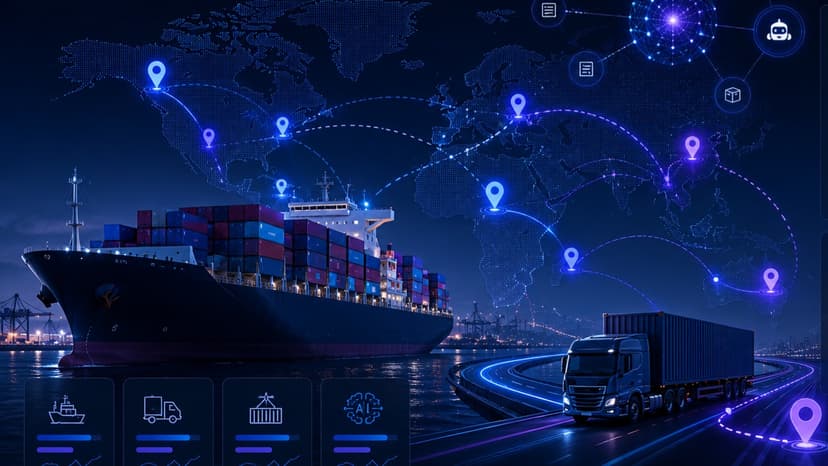
SupBuddy Supply-chain management App
Freight teams often manage shipments across fragmented carrier portals, tracking APIs, emails, spreadsheets, weather updates, traffic feeds, port notices, and customer requests. When a shipment is delayed, stale, or missing an update, coordinators must manually investigate the cause, assess business impact, notify stakeholders, and decide the next action. This slows response time, increases operational risk, and makes exception management reactive instead of proactive. This project is an agentic shipment management platform that brings tracking, exception detection, and AI-powered analysis into one workflow. The application centralizes shipment records, milestone events, carrier status updates, ETAs, origin and destination details, and risk indicators in a full-stack dashboard. Tracking services monitor shipments for late milestones, missing updates, route disruptions, and SLA risks. When an issue is detected, an agentic AI analyst can evaluate the shipment context alongside external signals such as weather, traffic, local disruption news, and port conditions, then generate a clear explanation of the likely cause, severity, and recommended action. Key features include shipment management, tracking status views, exception alerts, AI-generated root-cause analysis, priority scoring, contextual summaries, and coordinator-friendly recommendations. IBM Bob supports faster development by helping plan, implement, debug, document, and refine the codebase, while IBM watsonx Orchestrate and watsonx.ai enable intelligent agent workflows and natural language reasoning. Future additions include an issue prediction agent that identifies high-risk shipments before delays occur, an email writer agent that drafts customer or carrier updates from shipment context, and an MCP server that exposes backend tools and logistics data to agents for richer, more reliable automation.
17 May 2026

