.png&w=256&q=75)
🤝 Top Collaborators


🤓 Latest Submissions
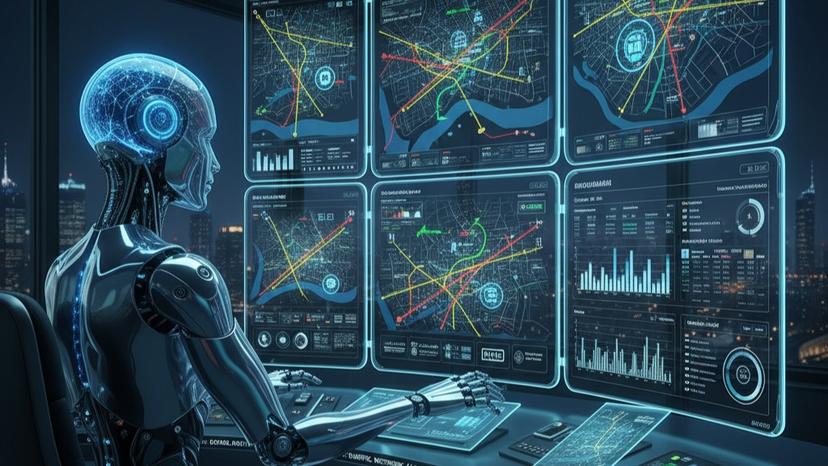
Smart Traffic
The utilization of Artificial Intelligence (AI) technology has significantly transformed the landscape of traffic management, making it more efficient and responsive. AI-driven systems are capable of analysing vast amounts of data in real time, gathered from various sources such as cameras, sensors, GPS devices, and mobile applications. This real-time data processing helps in monitoring traffic flow, detecting congestion patterns, and predicting potential bottlenecks with remarkable accuracy. Moreover, AI algorithms optimise traffic signal timings, dynamically adjusting them based on current traffic conditions to minimise delays and reduce vehicle idling time. This leads to smoother traffic flow, decreased fuel consumption, and lower emissions, contributing to environmental sustainability. Additionally, AI enhances incident detection capabilities, enabling quicker response times for accidents or road obstructions, which helps in mitigating further disruptions. Furthermore, AI supports the development of intelligent transportation systems (ITS), integrating vehicle-to-infrastructure (V2I) communication for smarter navigation and improved road safety. Overall, AI technology is revolutionising traffic management, making urban mobility more efficient and safer.
21 Sep 2025
