
🤓 Latest Submissions
node0
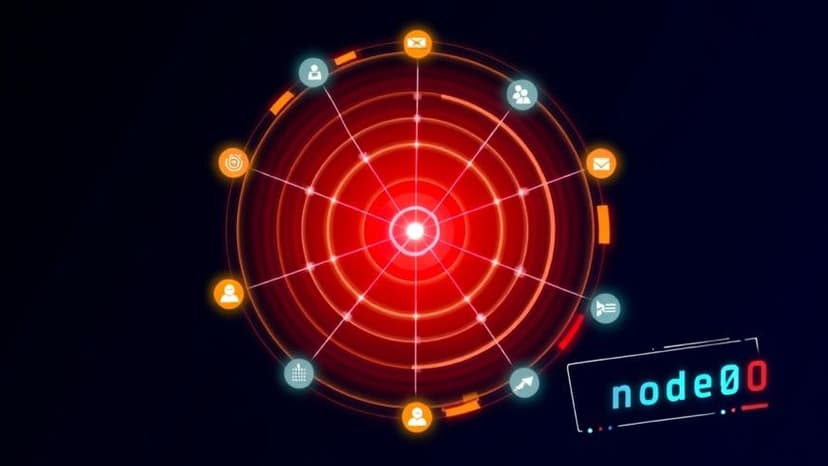
node0 is a breach intelligence and sales outreach platform for cybersecurity vendors. when a company gets hacked, the blast radius extends to every other company sharing vendors with them. node0 detects breaches in real-time, maps the vendor blast radius, cross-references it with your target accounts, and generates outreach you can send immediately. the pipeline: bright data's discover api and SERP api find breach incidents across the web. glm-4.5-air via ai/ml api extracts structured data: company name, breach type, severity, affected vendors from raw article text. bright data's web unlocker scrapes privacy policies and vendor pages to map the breached company's vendor network. for each vendor, node0 traces which of your target accounts also use that vendor, those are your prospects in the blast zone. then glm-4.5-air generates personalized outreach emails referencing the specific breach and shared vendor. key features: real-time scan with SSE streaming and live progress, interactive reactflow blast radius graph, custom target selection per scan, 15s ai timeout with regex fallback so scans never stall, pipedrive oauth for crm sync, csv import for bulk targets. tech stack: bright data sdk (discover, SERP, web unlocker), ai/ml api (glm-4.5-air), next.js 15 (app router, SSE, api routes), turso (edge sqlite), next-auth v5 (jwt), reactflow (network graph), tailwind css v4, vercel, hubspot api (crm). for judges: take a look at the stack page here https://node0-theta.vercel.app/stack
31 May 2026

musetub
Musetub explores what streaming looks like when billing is explicit, programmable, and observable. Instead of subscriptions or ads, viewers prepay for fixed 10-second chunks. Playback burns time deterministically on the backend, and when credits hit zero the API responds with HTTP 402 and structured x402 payment data. No hidden buffering, no surprise charges. Creators earn 90% of every streamed second through an on-chain escrow, with the remaining 10% going to the platform. Both viewers and creators see two live numbers: what is owed (service consumed) and what is settled (money actually prepaid), making payment lag visible instead of hand-waved. On top of this, Musetub introduces a lightweight agentic pricing layer. Uploads start with structured metadata and are priced using deterministic heuristics. AI is used only to explain and negotiate prices, not to move money. The roadmap extends this into full multimodal video analysis and negotiator agents that can reason about quality, engagement intent, and counteroffers before any stream begins. Musetub is less about video and more about building honest, composable payment primitives for real-time media.
24 Jan 2026


