.png&w=256&q=75)
🤓 Latest Submissions
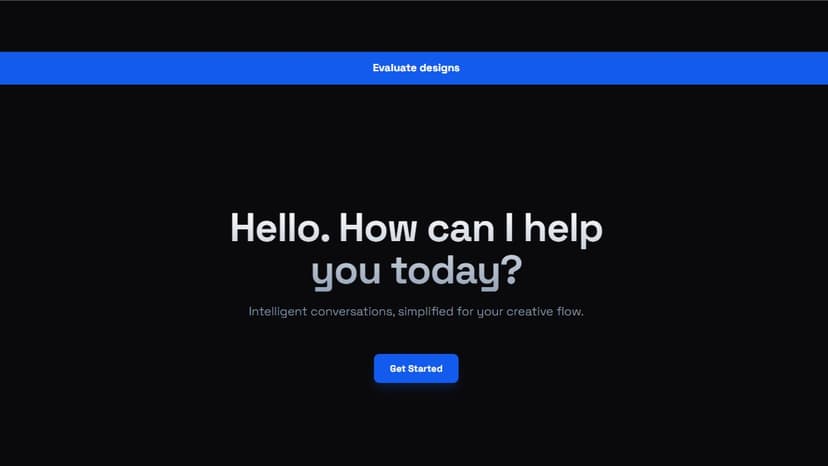
Sleepy Wires
Designs created in Figma often look visually appealing but lack technical feasibility, accessibility, or development best practices, leading to miscommunication between designers and developers, increased rework, longer development times, and inconsistent final implementations. Many designers and developers create interfaces in Figma without clear feedback on usability, accessibility, or how easily those designs can be translated into real code. This often leads to inefficient development, poor user experience, and rework during implementation. This project addresses that problem by providing an AI-powered web platform that analyzes Figma projects and generates actionable recommendations to improve design quality and technical feasibility. Using technologies such as HTML, CSS, JavaScript, and Python, the system evaluates layout structure, visual hierarchy, responsiveness, and best practices for front-end development. The target audience includes UI/UX designers, front-end developers, students, and small teams who want to improve their designs before development begins. Unique features include automated design analysis, developer-friendly suggestions, and guidance focused on real-world implementation, helping bridge the gap between design and code while saving time and improving overall project quality.
7 Feb 2026
