Top Builders

Explore the top contributors showcasing the highest number of app submissions within our community.

Qwen3-Coder

Qwen3-Coder is Alibaba Cloud's dedicated coding model, released on July 22, 2025. The flagship variant, Qwen3-Coder-480B-A35B-Instruct, is a mixture-of-experts model trained on 7.5 trillion tokens across 358 programming languages, with 70% of the training data being code. It supports 256K tokens of native context, extensible to 1M tokens with extrapolation, making it suited to repository-scale tasks and multi-file agentic workflows.

General
Release date22 Jul 2025
DeveloperQwen / Alibaba Cloud
TypeOpen-weight coding LLM (MoE)
LicenseApache 2.0
GitHubQwenLM/Qwen3-Coder
Hugging FaceQwen3-Coder-480B-A35B-Instruct
Documentationqwenlm.github.io/blog/qwen3-coder

Core Features

  • 480B/35B MoE architecture: 480B total parameters with 35B active per token, using 160 experts with 8 activated per inference step.
  • 256K native context: natively processes 256,000 tokens, with extrapolation support up to 1,000,000 tokens.
  • 358 programming languages: trained on a broad code corpus covering mainstream and niche languages.
  • Agent RL post-training: long-horizon reinforcement learning trains the model to solve real-world tasks through multi-turn tool interactions.
  • Apache 2.0: weights are available for commercial use and fine-tuning.

Benchmarks

BenchmarkScore
SWE-Bench Verified69.6%

SWE-Bench Verified scores are state-of-the-art among open models at release, comparable to Claude Sonnet 4.


Tools and Resources


Ecosystem and Integrations

  • Paired with Qwen Code, an open-source terminal coding agent with GitHub Actions support.
  • Accessible via the Alibaba Cloud DashScope API using an OpenAI-compatible endpoint.
  • Available on Together AI, LM Studio, and Ollama for local and cloud inference.

To use Qwen3-Coder via API, get an API key on the Qwen API Platform. For local agentic coding, see the Qwen Code terminal agent.

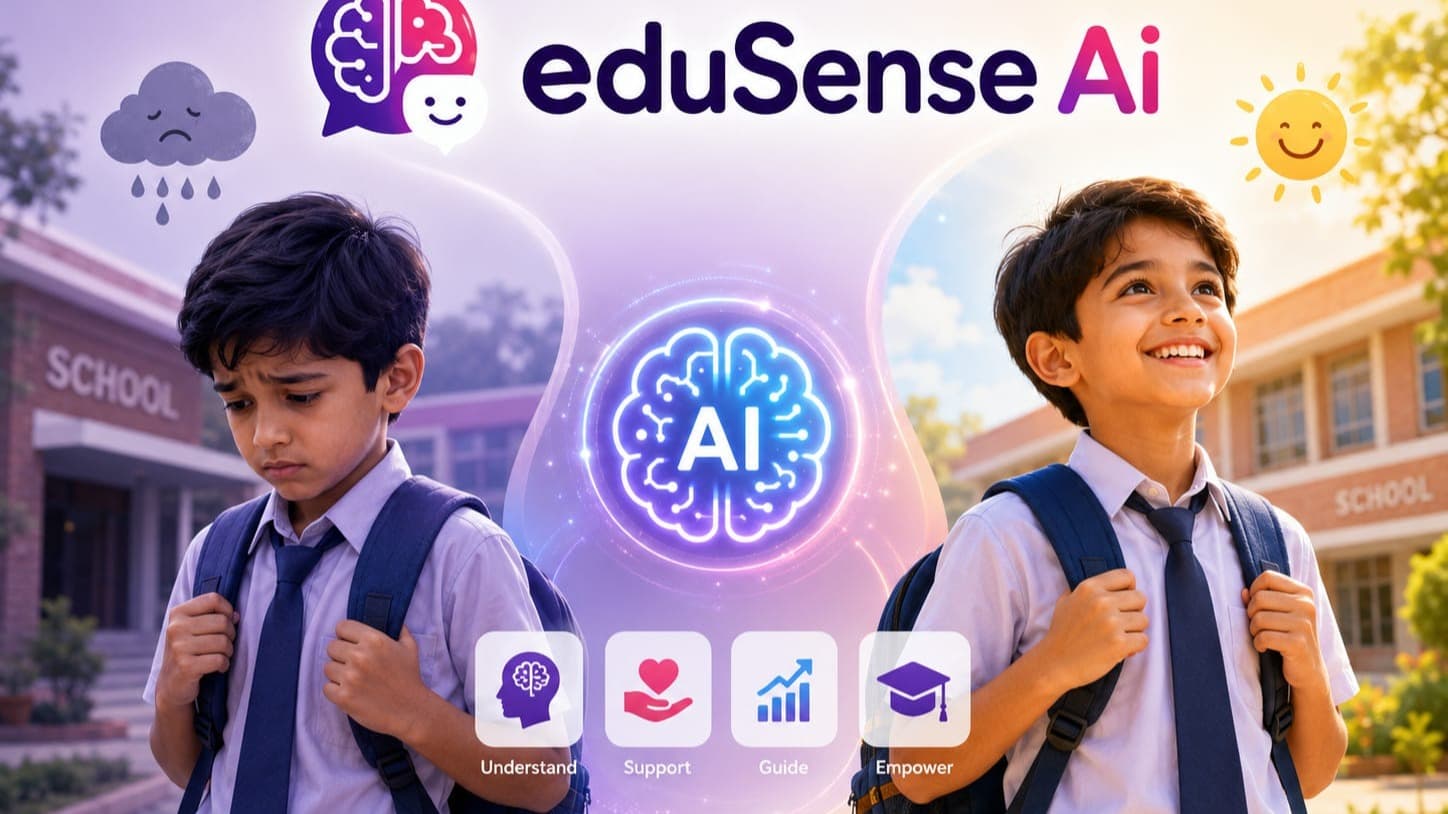
Qwen Qwen3-Coder AI technology Hackathon projects

Discover innovative solutions crafted with Qwen Qwen3-Coder AI technology, developed by our community members during our engaging hackathons.
klarixa-tricortex-amd-hackathon

klarixa-tricortex-amd-hackathon

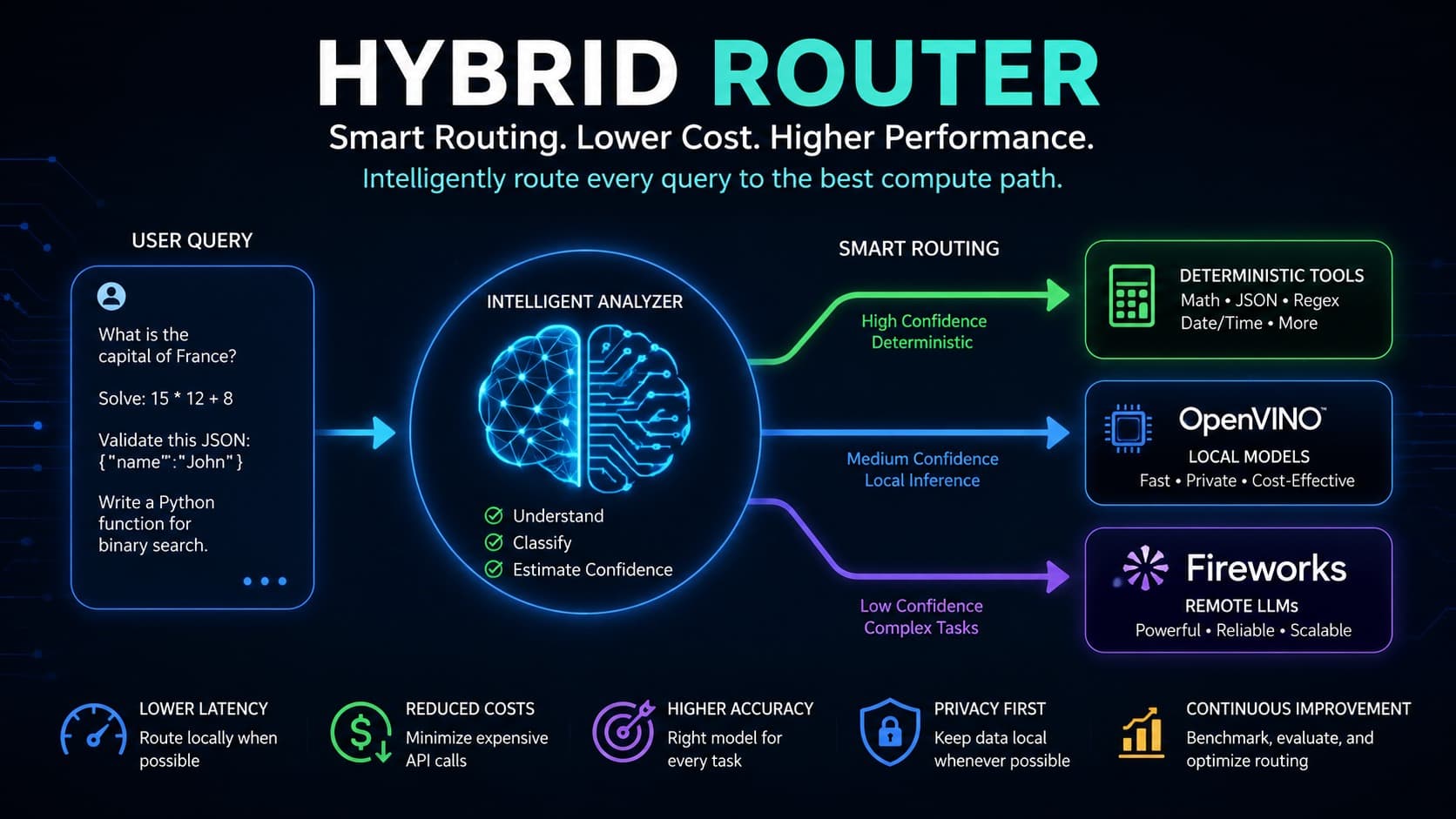
.### Technical Architecture & Core Overview Tricortex is an enterprise-grade, infrastructure-agnostic AI orchestration core engineered to execute complex multi-model reasoning pipelines. Built using the pydantic-ai framework, the system enforces a strict, non-blocking asynchronous lifecycle over autonomous agents. Rather than deploying volatile, free-form execution loops, Tricortex establishes structural operational boundaries through narrow API integration gates, explicit dynamic schema enforcement, and robust human-in-the-loop validation milestones. ### Cross-Platform Hardware Validation To demonstrate absolute operational resilience, the entire orchestration layer has been cross-validated and stress-tested under high-performance AMD compute cluster configurations. This cross-hardware implementation ensures that the system's token routing, latency management loops, and memory distribution handling remain highly stable across varied cloud infrastructures—such as Vultr nodes—preventing critical Out-Of-Memory (OOM) faults during heavy multi-model execution. ### Multi-Model Brain Integration Tricortex decouples the core reasoning layer from a single provider by leveraging a highly adaptive, multi-model backend topography: 1. Google DeepMind Ecosystem: Integrates advanced Gemini models via Google AI Studio to anchor real-time, context-aware routing decisions. 2. Alibaba Qwen Specialized Intelligence: Dynamically injects specialized model intelligence optimized for precise vertical logic across complex domains like finance, law, and medicine. ### Key Architectural Pillars * Asynchronous Emulation: Implements secure, in-memory execution tracking to simulate dense tensor processing latencies natively, ensuring total code reliability. * Model Context Protocol (MCP) Integration: Bridges the gap between remote LLM environments and local system runtime operations, allowing secure context pathway mapping without exposing raw database states.

AuditForge

AuditForge

Enterprise AI deployments are moving fast, but the systems those agents touch — codebases, APIs, databases — are still audited manually, slowly, and inconsistently. AuditForge changes that. AuditForge is a multi-agent compliance audit platform built on Google Gemini. Security teams upload their artifacts — a codebase, an OpenAPI spec, a database schema, a cloud config — and AuditForge dispatches specialized Gemini agents to analyze them against OWASP API Top 10, HIPAA Technical Safeguards, and SOC2 Common Criteria. Gemini's long-context window is the core advantage: rather than scanning files in isolation, the analysis agent reads an entire codebase at once, catching cross-file vulnerabilities that line-by-line tools miss entirely. Every finding is standardized — severity, evidence with the exact file and line, AI-generated remediation with a code example, and a direct mapping to the compliance clause it violates. When the audit is ready to hand off, AuditForge generates a cryptographically signed PDF report that maps every issue to its regulatory reference — the kind of document a CISO or external auditor can act on without a translator. Adding support for new system types — Terraform, Kubernetes, CI/CD pipelines — requires only a new connector module; the policy engine and report layer need no changes. Every action is recorded in a tamper-evident, cryptographically chained audit trail, making the audit of the audit verifiable too. The frontend runs natively on desktop and in the browser from a single Kotlin Multiplatform codebase. Server-Sent Events stream findings in real time as the scan runs. AuditForge makes compliance auditing something engineers can run themselves, security teams can trust, and regulators can read.